
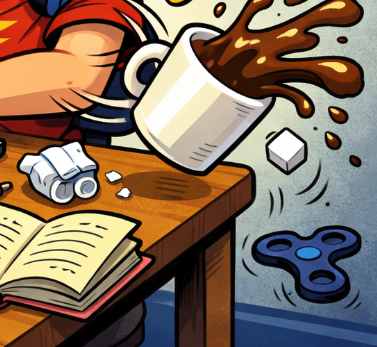
Dyspraxia & ADHD
Understanding the Overlap in Adults
For many adults, dyspraxia (also called Developmental Coordination Disorder, or DCD) does not exist in a vacuum; it often shows up alongside ADHD, with both conditions affecting coordination, planning, focus, and emotional regulation. When dyspraxia and ADHD co-occur, everyday tasks can feel disproportionately exhausting, but practical strategies and supports can significantly reduce overwhelm and improve quality of life.
What Is Dyspraxia in Adults?
Dyspraxia is a neurodevelopmental difference that primarily affects motor coordination, balance, and the planning of physical movements, often continuing from childhood into adulthood. Adults may notice clumsiness, fatigue from routine tasks, difficulty with handwriting, driving, or sports, and challenges with time management and organization.
Unlike purely physical conditions, dyspraxia also impacts cognitive planning and sequencing, which can make multi-step tasks, note-taking, or following instructions harder. These difficulties can contribute to anxiety, low self-esteem, or social withdrawal if they are misunderstood as laziness or carelessness.
How Dyspraxia and ADHD Overlap
Research and clinical experience show that dyspraxia and ADHD frequently occur together and share underlying executive function challenges. While ADHD is associated with attention, impulsivity, and hyperactivity, dyspraxia centers on motor planning and coordination, but both can impair planning, organizing, and initiating tasks.
When someone has both conditions, tasks that require coordination and sustained attention—like driving, cooking, or taking notes in a meeting—can be especially draining and error-prone. The impulsivity and distractibility of ADHD can also intensify motor difficulties, increasing accident risk, missed steps, or incomplete tasks.
Dyspraxia vs ADHD: Key Features
Core difficulty
Dyspraxia: Motor coordination, balance, motor planning. ADHD: Attention regulation, impulsivity, hyperactivity.
Executive functions
Dyspraxia: Trouble planning sequences, organizing actions, time management. ADHD: Trouble sustaining focus, prioritizing, starting/finishing tasks.
Daily life impact
Dyspraxia: Clumsiness, fatigue, difficulty with driving, handwriting, self-care. ADHD: Missed details, distractibility, task switching, restlessness.
Emotional impact
Dyspraxia: Shame about “clumsiness,” anxiety in physical or social settings. ADHD: Frustration, rejection sensitivity, mood swings.
Co-occurrence
Dyspraxia: Often co-occurs with ADHD and other neurodivergences. ADHD: Significant overlap with dyspraxia/DCD in children and adults.
Executive Function & Mental Fatigue
Both dyspraxia and ADHD involve executive function—skills like planning, organizing, holding information in working memory, and shifting between tasks. Studies in children and adolescents with dyspraxia/DCD show weaknesses in planning, working memory, and general executive functioning, not only in motor tasks but across thinking and problem-solving.
When ADHD is also present, this executive load increases further, making task initiation, sequencing, and follow-through especially hard and leading to faster mental fatigue. Adults often report feeling as if everyday life is a constant “manual override,” which can contribute to burnout, anxiety, or depression if support is lacking.
Daily-Life Challenges When Both Are Present
Adults with both dyspraxia and ADHD may experience a unique blend of physical and cognitive hurdles that show up in work, home, and relationships. Recognizing these patterns can help separate genuine neurodevelopmental needs from harsh self-judgment.
Common combined challenges include:
Starting and sequencing tasks that involve both movement and attention (for example, cooking a meal while tracking timing and safety).
Time blindness plus slow, effortful motor skills, leading to chronic lateness and exhaustion.
Difficulties with driving, sports, or navigating crowded spaces due to coordination plus distractibility.
Administrative overload: filling out forms, typing accurately, or keeping track of passwords and documents.
Emotional fallout: shame, fear of being judged, and a tendency to avoid situations that expose these difficulties.
Strategies Designed for Dyspraxia + ADHD
Because dyspraxia and ADHD affect complementary but different systems, the most helpful strategies support both motor coordination and attention/executive skills together. Small, consistent changes usually work better than trying to “fix everything” at once.
Break Tasks Into Movement-Friendly Micro-Steps
Why it helps: Dyspraxia makes motor planning harder, and ADHD can make long tasks feel impossible; breaking tasks down reduces both physical and cognitive load.
How to try it:
Turn multi-step activities (like laundry or meal prep) into simple written or visual checklists with one action per line.
Keep steps visible in the environment (whiteboards, sticky notes at eye level, or an app with large text and icons) to support both memory and movement planning.
Use Routines That Anchor Both Body and Attention
Why it helps: A predictable structure reduces decision fatigue for ADHD and creates repeated motor patterns that become smoother over time for dyspraxia.
How to try it:
Create consistent “start the day” and “shut down” routines using the same order of simple actions, such as stretching, checking a planner, preparing a bag, and setting out clothes.
Pair routines with external cues like alarms, visual schedules, or app-based routines designed for ADHD, so you are not relying solely on memory.
Optimize Your Environment for Coordination and Focus
Why it helps: Reducing physical and sensory clutter lowers the number of motor decisions and attention shifts required to get through the day.
How to try it:
Keep commonly used items in the same, easy-to-reach places and use labels or color-coding for drawers, shelves, and containers.
Simplify workspaces by limiting the number of items on your desk, using cable management, and arranging your chair, keyboard, and monitor to support stable posture.
Leverage Assistive Technology
Why it helps: Technology can offload handwriting, memory, and sequencing demands so your mind and body are not doing all the work alone.
How to try it:
Use speech-to-text tools, dictation software, and predictive text for emails, notes, and forms to reduce fine-motor strain.
Try ADHD-friendly task and routine apps that offer visual checklists, timeboxing, and reminders, and pair them with physical anchors like a visible wall calendar.
Build in Movement and Recovery
Why it helps: Physical activity can improve attention and executive function, while also giving your body a chance to relearn coordination patterns in a low-pressure way.
How to try it:
Integrate gentle movement—like walking, stretching, or simple balance exercises—between focus blocks to release tension and reset attention.
Work with an occupational or physical therapist familiar with dyspraxia to develop targeted exercises that support coordination and daily-function goals.
Professional Support and Diagnosis
Adults often reach diagnosis later in life, especially for dyspraxia, which has historically been overlooked compared to ADHD. A thorough evaluation typically includes a detailed history, motor and coordination assessments, and screening tools for DCD/dyspraxia, alongside ADHD assessments.
In many regions, medical doctors and trained specialists (such as neurologists, psychiatrists, psychologists, or occupational therapists) collaborate to confirm diagnoses and build a tailored support plan. Treatment may include occupational therapy, physical therapy, ADHD medication, coaching, and cognitive-behavioral therapy to address emotional and practical challenges together.
Finding Resources That Address Both
Because dyspraxia and ADHD cross traditional medical and educational boundaries, resources that explicitly address both can be especially validating. Look for:
Adult-focused dyspraxia/DCD organizations and online communities that recognize co-occurring ADHD.
ADHD resources that mention motor coordination, sensory issues, or executive function as shared themes, and that welcome multi-neurotype experiences.
Working with professionals and tools that understand this dual profile can turn what once felt like a constant struggle into a more sustainable, self-compassionate way of moving through the world.
References
https://pmc.ncbi.nlm.nih.gov/articles/PMC8177544/
https://cloudninetherapy.com.au/all-about-dyspraxia-what-it-is-how-its-related-to-adhd/
https://exceptionalindividuals.com/about-us/blog/dyspraxia-vs-adhd-differences-and-overlaps/
https://nashvillemh.com/comprehensive-guide-to-dyspraxia-in-adults/
https://www.expressable.com/learning-center/adults/dyspraxia-in-adults-signs-diagnosis-and-treatment
Disclaimer: This article is intended for informational purposes only. For personal diagnosis or treatment, consult a qualified healthcare provider.